Production losses often begin between machines: operators carry loads, forklifts wait for access, cartons accumulate beside a filler, or a missed handoff stops packing. By the end, you will be able to compare movement methods, calculate usable conveyor capacity, specify controls and safety provisions, and judge whether a powered system will improve your plant’s output.
Key takeaways
- Feed the bottleneck operation instead of increasing upstream conveyor speed.
- Calculate capacity from product rate, spacing, load and available conveyor width.
- Match belt, roller or chain design to the product, route and plant conditions.
- Compare controls, guarding, maintenance access and lifecycle cost before choosing a supplier.
Where powered conveyors remove production-line delays
A powered conveyor keeps product moving through processing, inspection, packing, storage and dispatch without repeated lifting, walking or manual handoffs. The strongest powered conveyor benefits in Ankleshwar come when the conveyor feeds the bottleneck operation, not when an upstream section simply runs faster.
Industrial powered conveyors with photoeyes, permissive logic and variable-frequency drives maintain spacing, control starts and stops, and create accumulation when a downstream machine pauses.
- Processing to inspection: a continuous handoff reduces line-side piles and missed checks.
- Inspection to packing: controlled spacing gives the packer a steadier feed and reduces collisions.
- Packing to storage: powered movement limits carton damage caused by dragging or repeated lifting.
- Storage to dispatch: accumulation buffers loading delays without blocking the packing line.
| Movement option | Main advantage | Where delay or loss appears |
|---|---|---|
| Manual handling | Flexible for varied products | Walking, lifting, inconsistent feed and missed handoffs |
| Forklifts | Suits pallets and long travel | Aisle congestion, loading pauses and traffic risk |
| Gravity conveyor | Low energy and simple construction | Requires height difference and gives limited speed control |
| Pneumatic transfer | Fast movement of suitable powders or small parts | Product, energy and pipework constraints limit its use |
Do not size the conveyor merely to outrun the filler, palletizer or loading point. That moves the bottleneck, increases accumulation and can trigger operator intervention; match movement to the slowest station’s cycle and define what happens when its sensors report a blockage.
How to calculate capacity and choose conveyor speed
Start with the required output, not the motor size. For unit loads, calculate units per minute as conveyor speed divided by product pitch, then reduce that figure for gaps, transfers, stops and rejects. For bulk material, capacity depends on loaded cross-sectional area, belt speed and bulk density.
Use these inputs before selecting the conveyor:
- Product weight and dimensions, including the minimum safe gap
- Required good units per minute and peak demand
- Conveying distance, incline, belt or roller loading and operating hours
- Accumulation required during a filler, inspection station or packer stoppage
- Duty cycle, start-stop frequency and expected recovery time
A faster belt raises nominal capacity but also increases dust, spillage, impact damage and stopping distance. Set speed from the downstream machine cycle: if a machine produces 30 units per minute at 250 mm pitch, the conveyor needs 7.5 metres per minute at that pitch, before adding controlled spacing.
| Conveyor approach | Best speed strategy | Main risk |
|---|---|---|
| Continuous belt | Match the bottleneck’s sustained rate | Excess accumulation when downstream equipment stops |
| Servo-indexed conveyor | Index to the machine cycle and position | Higher controls cost and less tolerance for poor spacing |
| Zero-pressure zones | Run zones independently during short interruptions | Requires sensors, zone drives and reliable product detection |
Distinguish maximum belt load from usable throughput. A quotation should state whether capacity is continuous, peak or based on ideal spacing. Ask for the calculation, sensor locations, blocked-downstream response and accumulation volume for the powered conveyor system in Ankleshwar.
A variable-frequency drive controls acceleration and speed; it does not prevent collisions without sensors and permissive logic.
How to choose the conveyor design for an Ankleshwar plant
Start with the load and route, not the motor. A powered conveyor system in Ankleshwar must match product weight, dimensions, bulk density, conveying distance, incline, required mass flow and duty cycle. A short intermittent carton line needs a different specification from a 24-hour chemical-bag or drum transfer line.
| Design choice | Best fit | Check before selecting |
|---|---|---|
| Belt conveyor | Irregular packs, loose bags, small items and loads needing continuous support | Belt cover, friction, cleaning access, spillage and product contact |
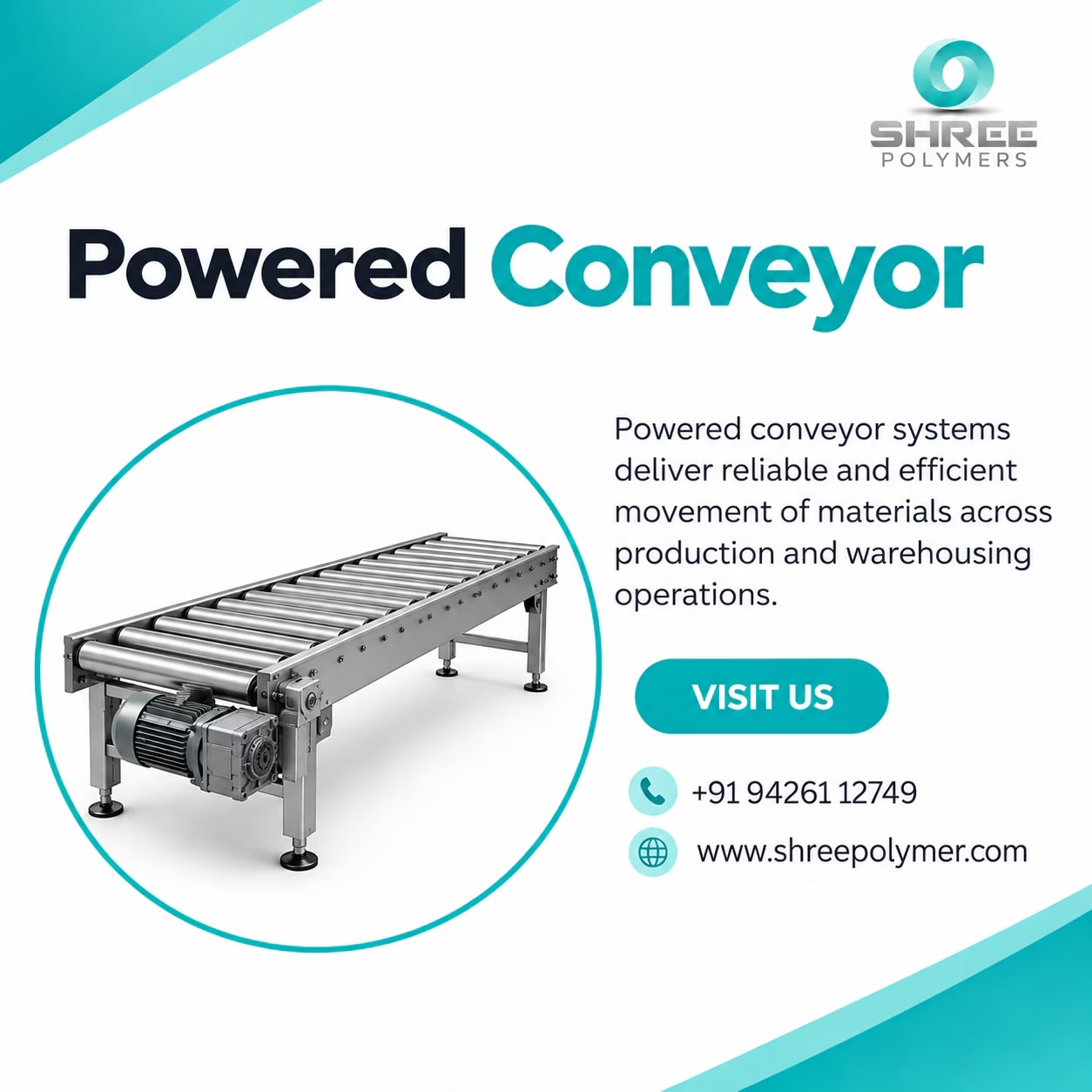
| Powered roller conveyor | Rigid-bottom cartons, totes, pallets and stable drums | Roller pitch, load distribution, transfers and whether cartons can bridge gaps |
| Stainless or coated frame | Washdown, chemical exposure or contamination-sensitive production | Chemical concentration, temperature, chlorides, cleaning agents and seal compatibility |
Stainless steel is not automatically corrosion-proof. Choose 304, 316, coated carbon steel or a non-metallic construction from the actual chemical and cleaning conditions; then specify sealed bearings, guards and accessible surfaces that operators can clean.
For industrial powered conveyors, calculate belt capacity from loaded cross-sectional area, belt speed and bulk density, then verify loading, stopping distance and accumulation. Higher speed raises nominal capacity but also increases dust, impact, spillage and product damage.
Specify the duty as continuous, intermittent or batch operation, with operating hours and peak loading stated. Ask for the layout, transfer details, electrical load, control interfaces, emergency-stop zones, jam detection and acceptance test. A faster conveyor feeding a slow filler, inspection station or palletizer only shifts the bottleneck and creates accumulation.
How controls, safety and commissioning make automation work
A conveyor connects reliably only when its control logic matches the machine beside it. For automated material handling in Ankleshwar, specify the electrical interface before fabrication: 24 VDC discrete I/O or an industrial network such as Profinet or EtherNet/IP, plus the required voltage, current and panel termination details.
Define these signals in a cause-and-effect document:
- Start/stop handshake between conveyor and upstream or downstream machine
- Machine-ready and machine-running status
- Product-present, jam and accumulation detection
- Reject command and confirmed reject position
- Fault propagation, reset permission and restart behaviour
A local start button proves little. The line must stop safely when a filler, inspection unit or packer is not ready, and it must not restart automatically after a power return, guard opening or emergency stop.
Guard every nip and shear point at drives, tails, take-ups, transfers and exposed power transmission. Use emergency-stop buttons or pull cords for the defined zone, then control stored energy, gravity, moving product and pneumatic pressure through lockout/tagout before intervention.
In a chemical area, select motors, sensors, junction boxes and switchgear for the site’s hazardous-area classification; a high IP rating alone does not provide explosion protection.
Commissioning should include these witnessed checks:
- Verify sensor position, response time and product detection
- Test every interlock, emergency stop, guard switch and fault message
- Run empty, loaded and worst-case product conditions
- Confirm transfer alignment, accumulation, reject confirmation and recovery after a stop
- Record acceptance results against agreed speed, capacity and restart criteria
Without these records, “works in manual” is not evidence of production readiness.
How to compare lifecycle cost, maintenance and suppliers
A low purchase price can become an expensive conveyor once energy, stoppages, spare parts and operator intervention are included. Calculate five-year cost from the quoted price, installation, electricity, planned maintenance, expected wear parts, downtime exposure and any controls or guarding excluded from the offer.
- Ask each powered conveyor manufacturer for the same evidence: mass-flow calculation, belt or roller loading, speed, duty cycle, motor and gearbox rating, electrical load, layout, transfer details, guarding, emergency-stop zones and commissioning method.
- Check whether capacity means continuous throughput, peak loading or ideal product spacing. A faster conveyor feeding a slow filler, palletizer or loading point only creates accumulation and damage.
- Request a spare-parts list with quantities, lead times and replacement intervals. Price bearings, belts, chains, sensors, gearboxes and drive components separately.
- Define acceptance tests before ordering: measured throughput, start-up under rated load, stop distance, sensor response, noise or spillage limits, and successful handoff to connected equipment.
- Compare service coverage by response time, technician availability in Gujarat, remote troubleshooting and warranty exclusions. For a quotation from Shree Polymers, use these same questions rather than judging the frame and motor alone.
| Quotation quality | What you can verify | Risk if absent |
|---|---|---|
| Price-only | Equipment price and basic specifications | Hidden installation and control costs |
| Engineered | Calculations, drawings and interfaces | Capacity claims remain difficult to test |
| Lifecycle-based | Energy, spares, service and acceptance criteria | Lowest initial price may produce the highest operating cost |
The strongest powered conveyor benefits in Ankleshwar appear when the system removes a bottleneck without creating another one. Choose the supplier whose assumptions, failure response and acceptance measures you can inspect on paper.
Related products
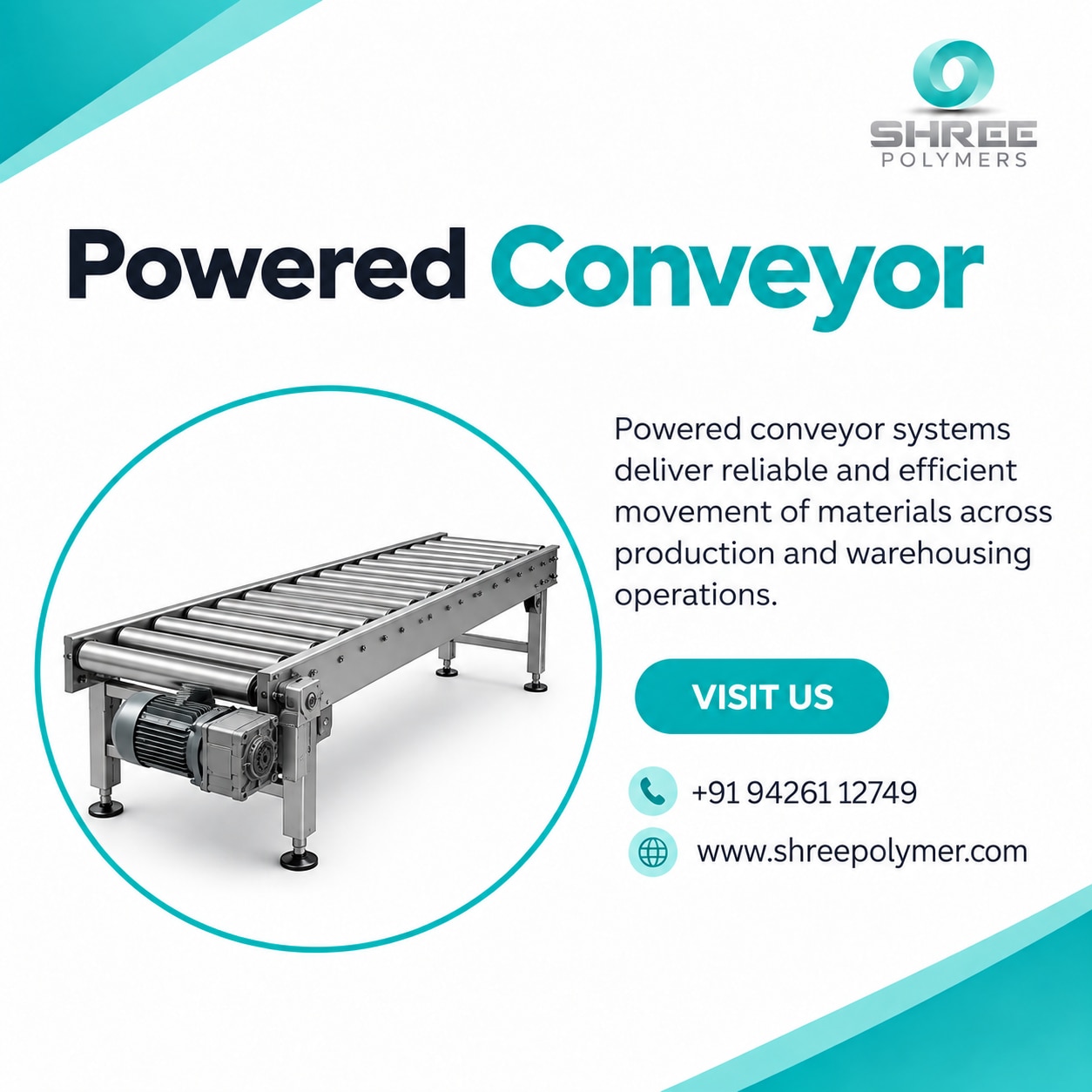 | Conveyors and Automation Powered Conveyor POLYSTEEL powered conveyors are included in the conveyor systems range for moving materials in industrial handling applications. |
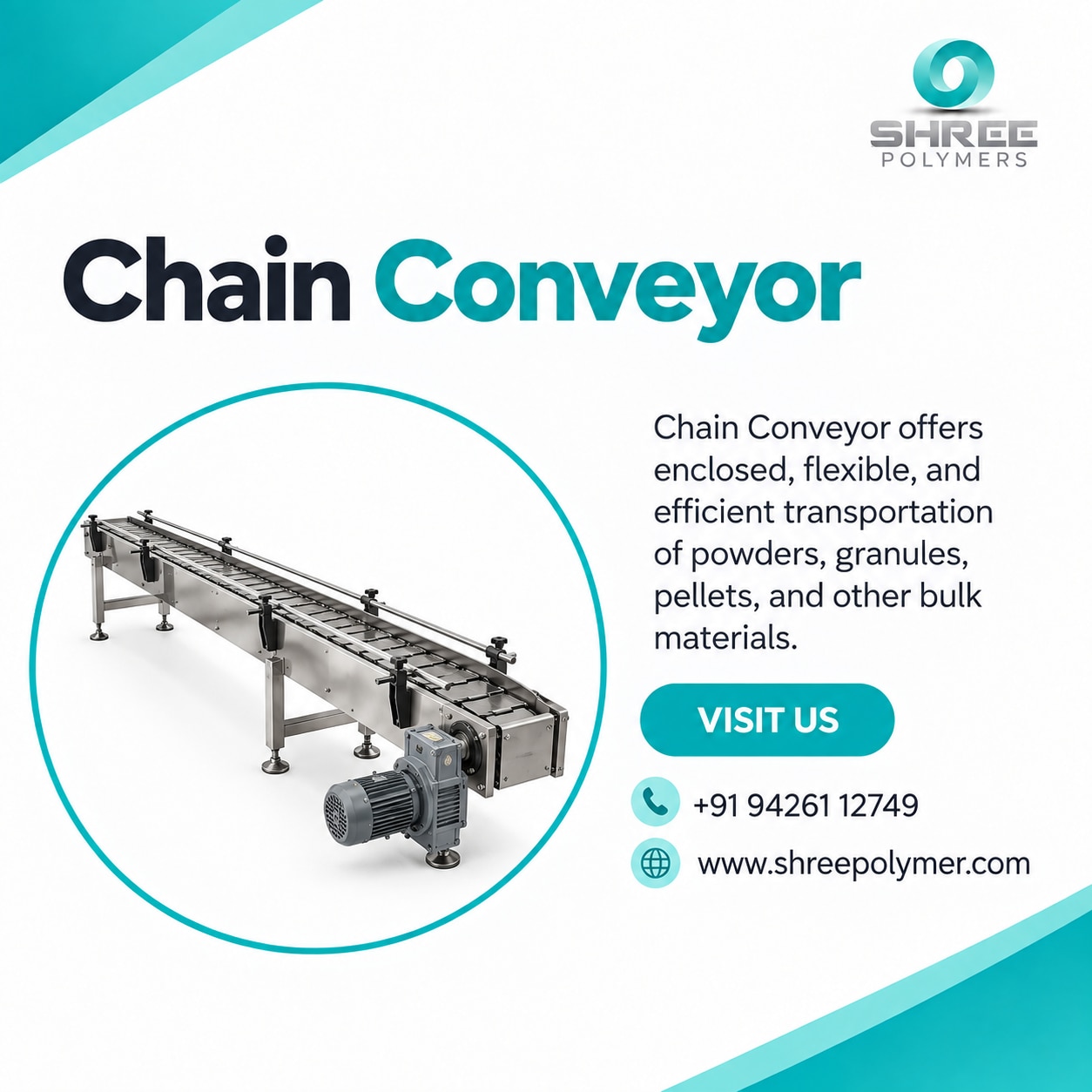 | Conveyors and Automation Chain Conveyor POLYSTEEL chain conveyors are listed among the conveyor system options for industrial material transport. |
Frequently asked questions
Where do powered conveyors remove production-line delays?
They reduce delays between processing, inspection, packing, storage and dispatch by replacing repeated lifting, walking and manual handoffs. The greatest benefit comes when the conveyor supplies the bottleneck operation.
How do you calculate powered conveyor capacity and speed?
Start with the required product rate, then account for product spacing, load dimensions, conveyor width and operating time. Select a speed that meets the rate without creating unsafe gaps, product damage or an accumulation queue.
How do you choose a conveyor design for an Ankleshwar plant?
Compare belt, roller, chain and other designs against the product surface, weight, dimensions, route, incline, washdown exposure and required accumulation. Review the plant layout and the handoff points before selecting the conveyor.
What should you check in conveyor controls, safety and commissioning?
Check emergency stops, guarding, interlocks, sensors, overload protection, access for cleaning and the control sequence. During commissioning, test empty and loaded operation, transfers, stops, starts, accumulation and recovery after a fault.
How should you compare conveyor suppliers and lifecycle cost?
Compare the installed price with energy use, wear parts, lubrication, cleaning time, spare-parts availability, service response, maintenance access and expected downtime. Ask each supplier to document scope, exclusions, acceptance tests and commissioning responsibilities.
Related products
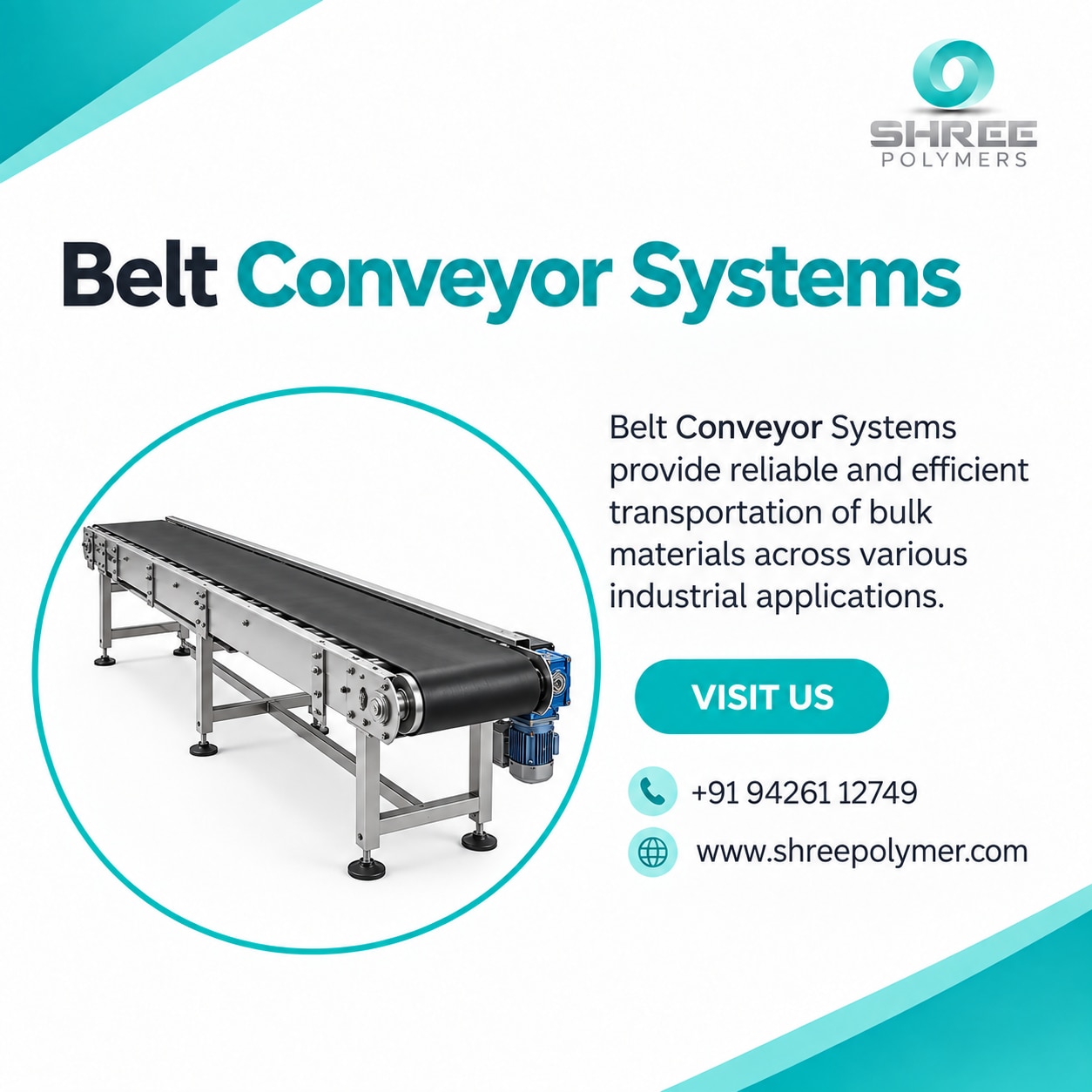 | Conveyors and Automation Belt Conveyor Systems POLYSTEEL belt conveyor systems are presented for safely transporting materials from one level to another, with options selected according to... |
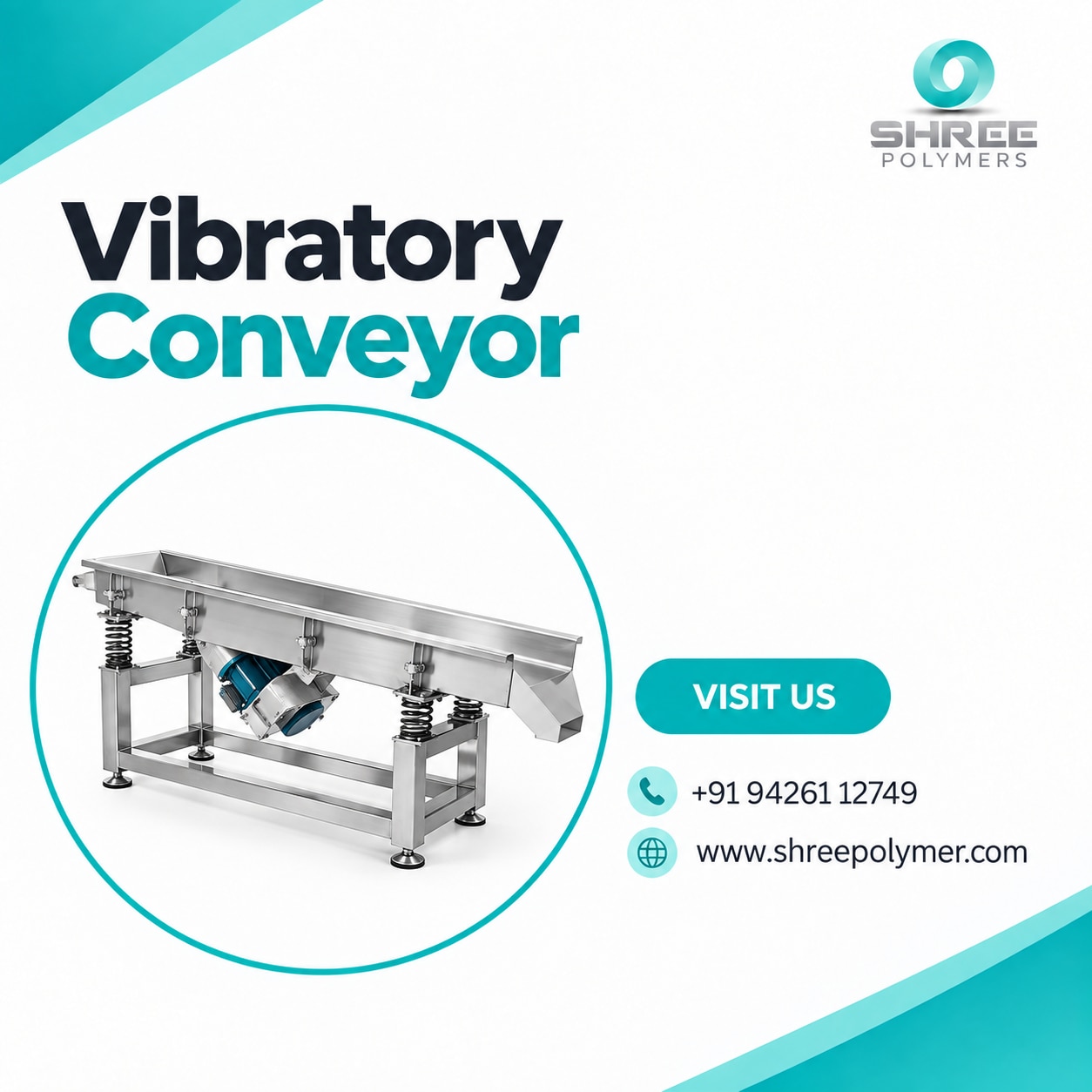 | Conveyors and Automation Vibratory Conveyor POLYSTEEL vibratory conveyors are listed as an available conveyor-system option for industrial material handling. |
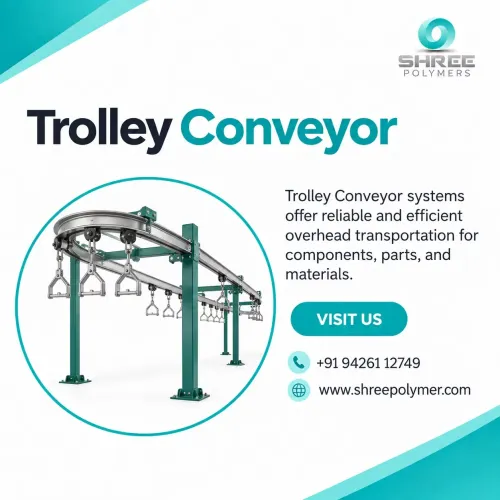
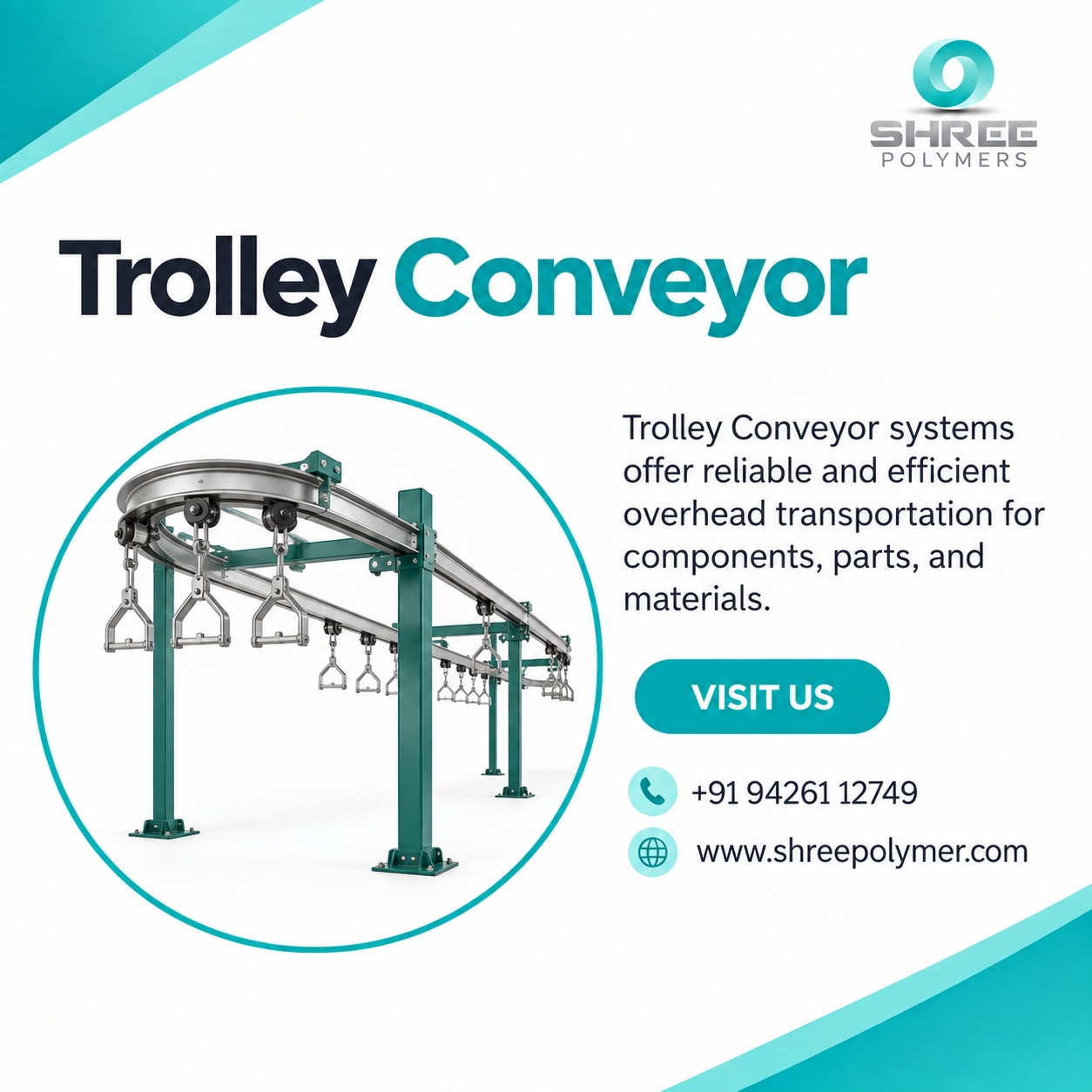 | Conveyors and Automation Trolley Conveyor POLYSTEEL trolley conveyors are included in the conveyor systems range for industrial material movement. |
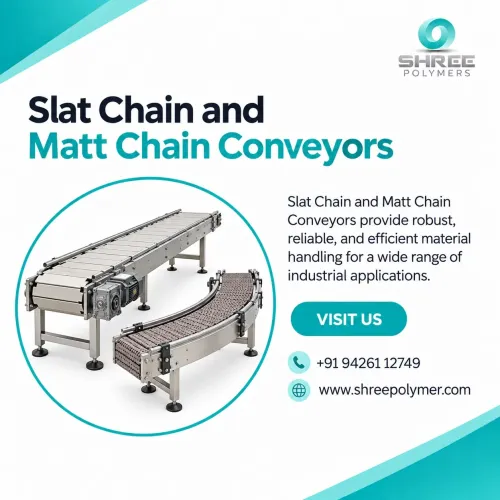
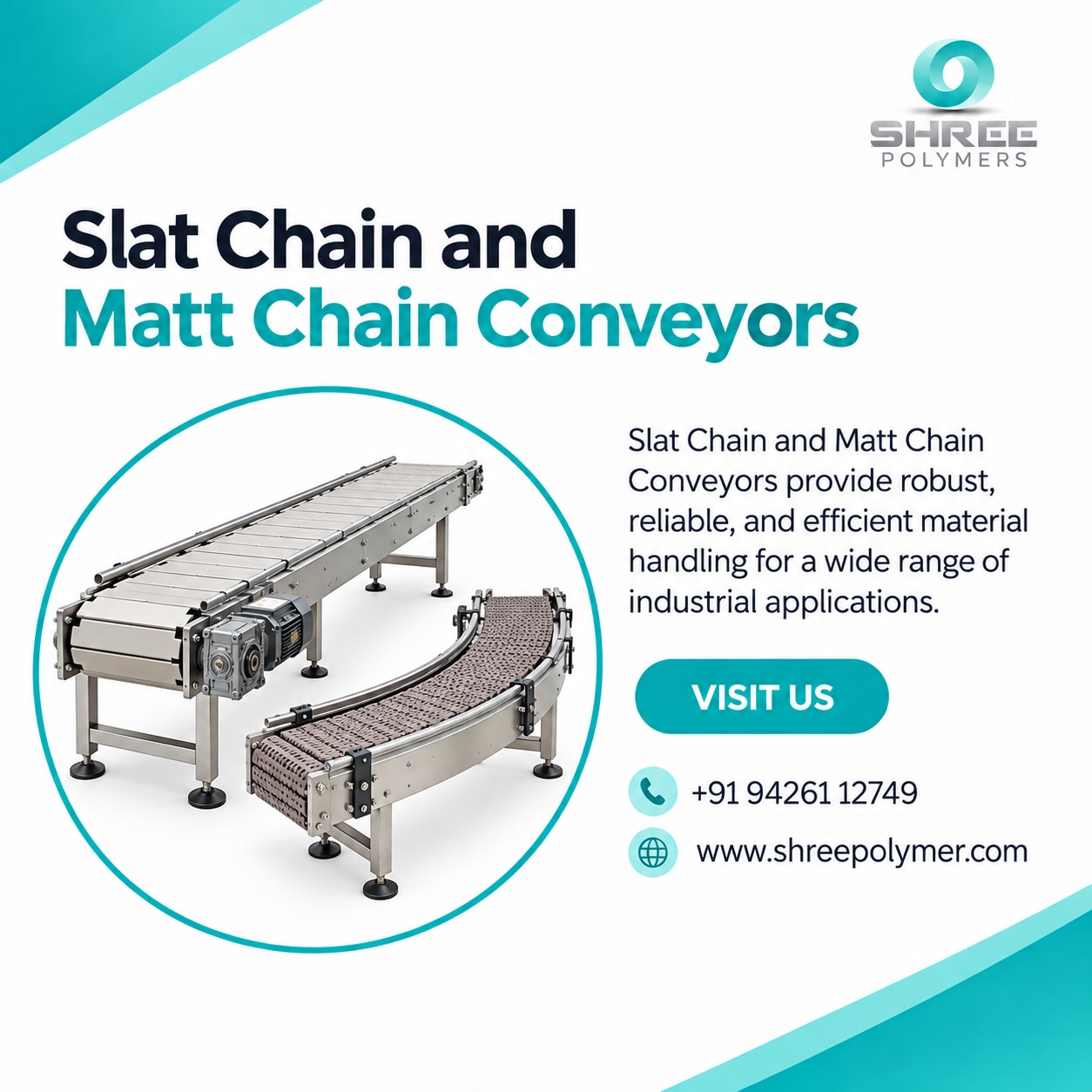 | Conveyors and Automation Slat Chain and Matt Chain Conveyors POLYSTEEL slat chain and matt chain conveyors are listed within the company’s conveyor systems offering for industrial material handling. |
Keywords